
When Craft Beats Algorithm
What Fashion Can Learn from Heated Rivalry’s Unlikely Success

Okay, I need to tell you about the most fascinating creative success story of 2025, and what it means for anyone making fashion, design, or literally anything that requires both vision and courage.
In November, a Canadian TV show about gay hockey players—made on a modest budget, shot in Hamilton, Ontario, in just over a month—became one of the year’s biggest cultural phenomena. It achieved a perfect 10/10 rating on IMDb (tying Breaking Bad‘s legendary “Ozymandias” episode), became the most-watched original series in Crave history, and got picked up by HBO Max days before its premiere.
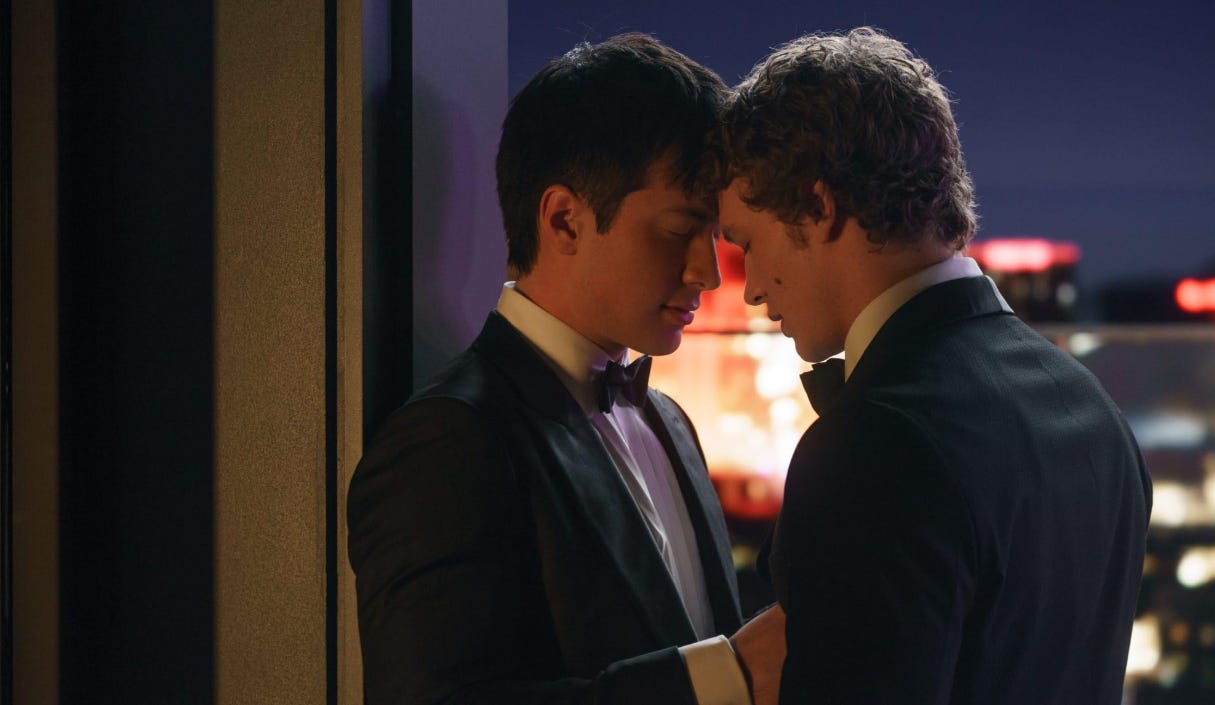
The show is called Heated Rivalry.
And nobody’s algorithm predicted any of this.
In fact, every algorithm would have killed it.
The Story Nobody Saw Coming
Here’s how it started: Jacob Tierney—the guy behind Canadian hits Letterkenny and Shoresy—spent the pandemic reading romance novels. Specifically, Rachel Reid’s “Game Changers” series, which he affectionately describes as “smutty hockey romances” featuring LGBTQ+ characters.
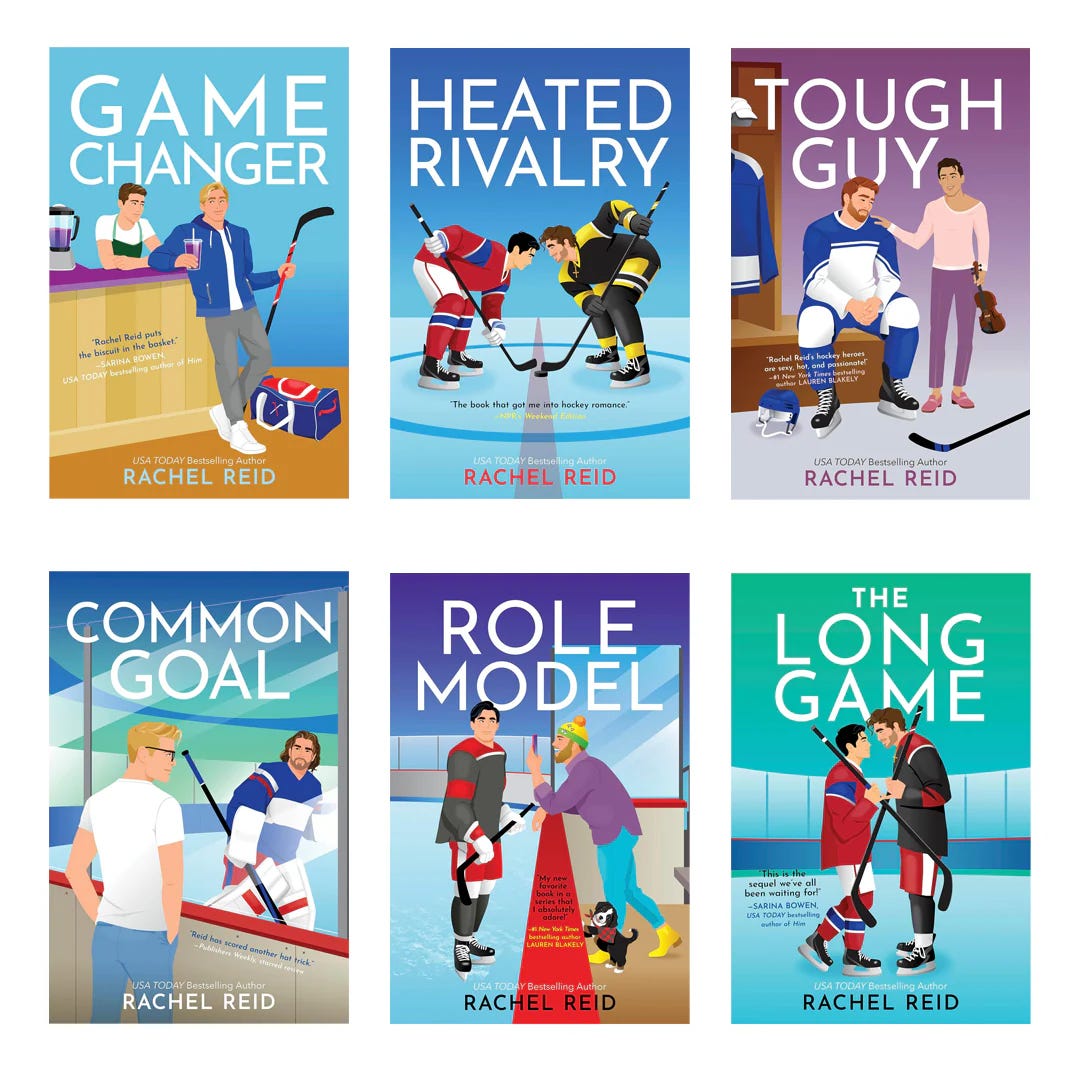
Now, any rational content analysis would say: this will not work for television.
The books exist firmly in a niche. Sports fiction meets queer romance meets explicit content. When Tierney and his producing partner Brendan Brady started shopping it around to potential financiers, they kept hearing the same notes: tone it down. Add more characters. Make it “more accessible.” Broaden the appeal. Soften those edges.
Studios wanted to “fundamentally change the story, or fundamentally change the tone.”
Here’s where the story gets interesting.
They said no to all of it.
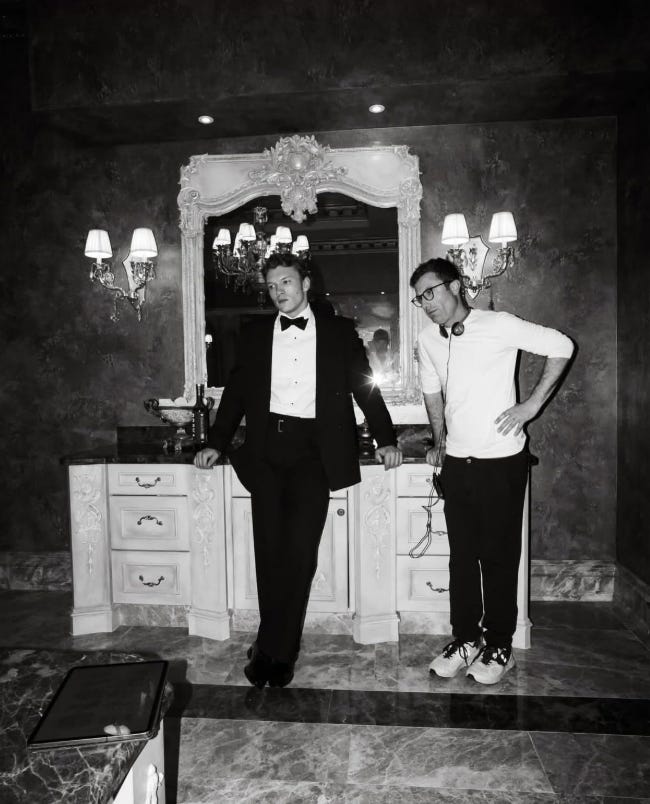
Instead of taking bigger budgets with creative interference, Tierney and Brady’s production company—Accent Aigu Entertainment, which they’d only founded in 2023—financed the show themselves through their partnership with Canadian streamer Crave. They used tax credits, put in their own equity, and made it work. They shot it for less than $5 million per episode. They filmed in Hamilton, Guelph, and Muskoka. Not glamorous. Not a tentpole budget territory.
And they kept every single sex scene.
Because, as Tierney put it: “Sex is character development; it’s not just a random sex scene in every episode. The lead characters learn about each other, and they learn about themselves through this.”
The result?
HBO’s content chairman Casey Bloys watched it on a Friday. Started negotiating on Monday. Called it “an easy and very quick yes.”
The show experienced 400% viewership growth in its first week. Episode 5 broke the internet. Fans created so much organic buzz that HBO Max acquired it for the U.S., Australia, and eventually expanded to Europe, Asia, and Latin America.
Heated Rivalry wasn’t supposed to premiere until February 2026. But once Crave executives saw what they had, they kept moving the date up. February became January. January became Christmas. Christmas became November 28, 2025.
Because sometimes you just know you’ve made something special.
Why Fashion People Should Care About This
If you’ve been in fashion for any length of time, this story probably sounds familiar.
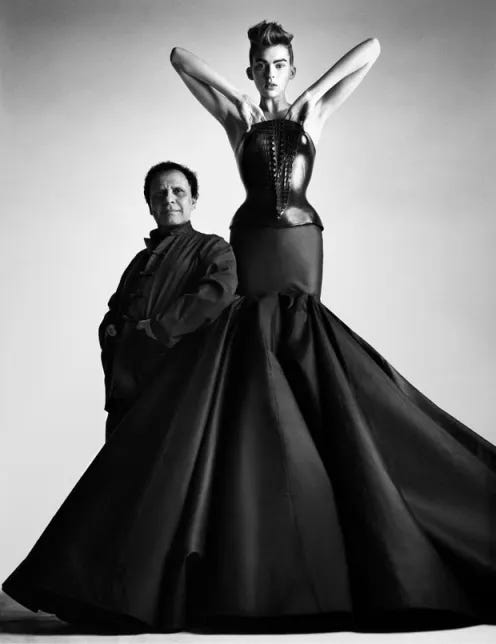
It’s the Azzedine Alaïa story—refusing to follow the fashion calendar, presenting collections only when he felt they were ready, rejecting advertising and press coverage in favour of protecting the integrity of his work.
It’s the early Maison Margiela story—creating avant-garde garments in a small Paris studio while completely rejecting traditional fashion marketing.
It’s The Row story—building a quiet luxury empire by going deeper into craft rather than broader into mass appeal.
The fashion industry loves to talk about “data-driven decisions” and “algorithm optimisation,” and “reaching the widest possible audience.” We’re constantly told that success requires influencer partnerships, aggressive social media campaigns, trend forecasting tools, and design choices that test well across broad demographics.
Heated Rivalry proves that’s not the only path.
It might not even be the best one.
Conviction Over Consensus (Or: Taking Money With Strings Attached)
There’s a moment in the Variety interview with the show’s creators that perfectly captures the choice every creative faces.
Potential financiers kept asking: “What if we had a different entrance point? What if we added in all these additional characters?”
Brady’s response: “None of that made sense, both creatively and budget-wise.”
This is it. This is the decision. Do you take the bigger budget with strings attached, or do you maintain creative control with fewer resources?
Fashion is full of cautionary tales about designers who took the money and lost their voice. But it’s also full of success stories about those who didn’t.
Phoebe Philo’s decade-long silence after leaving Céline, refusing to design until she could do it on her own terms.
Demna keeping Balenciaga strange and unsettling rather than making it simply “likeable.”
Jonathan Anderson refusing to smooth out Loewe’s intellectual edges for easier commercial consumption.
These designers understand what Tierney understood: when you dilute your vision to please everyone, you often end up pleasing no one.
One Heated Rivalry viewer wrote: “HR exposed how overpaid and unnecessary all the Hollywood divas are. It’s time to go hunting for smart excellent kids... Almost anything else I’ve watched since HR feels like a flop, yet with enormous budgets thrown into them.”
People can tell the difference.
Audiences—in television, in fashion, in any creative field—can tell the difference between something made with conviction and something made by committee.
Niche Isn’t a Limitation (It’s Actually Your Superpower)
Here’s what the data-driven approach would have said about Heated Rivalry‘s target audience:
Too niche. Hockey fans + romance readers + LGBTQ+ viewers = limited appeal.
Here’s what actually happened:
That “niche” audience turned out to be massive, underserved, and incredibly passionate. They campaigned for global distribution. They created fan edits and reaction videos, and detailed analysis threads. They rewatched episodes—an average of one-third of viewers rewatched each episode, with Episode 5 being the most rewatched in Crave history.
The show became a top-three trending topic on X in Canada during its premiere weekend.
The fashion parallel is everywhere.
Marine Serre doesn’t try to appeal to everyone—she makes dystopian, activist clothing for people who share her environmental concerns. Chopova Lowena creates collections rooted in Bulgarian folk costume that speak to a specific cultural moment. Telfar makes circular bags and sweatpants for a community that feels excluded by traditional luxury.
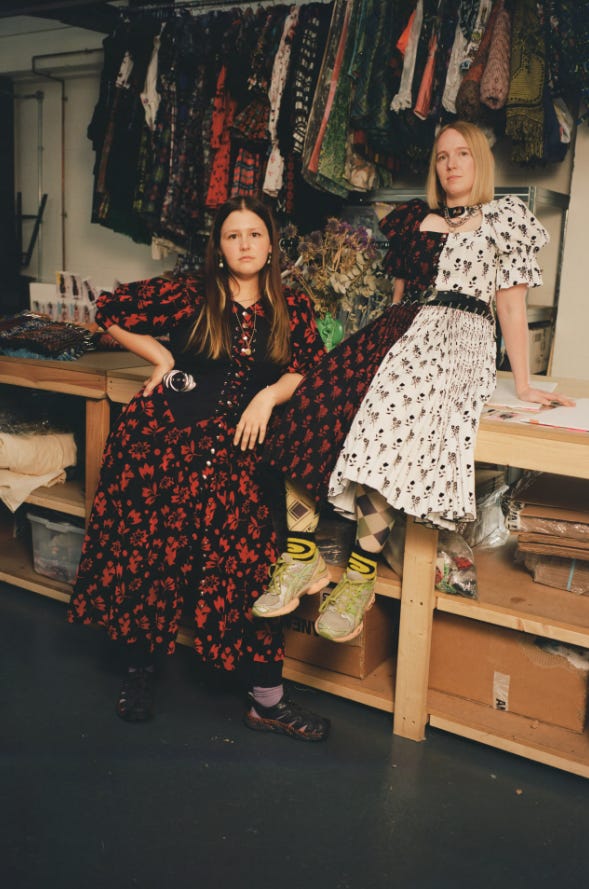
These brands aren’t limiting themselves by being specific. They’re building deeper connections with audiences who feel genuinely seen.
When Casey Bloys at HBO was asked about acquiring Heated Rivalry, he said: “Obviously, I’m a gay man, so I had a sense that it might make some waves. I thought it was very well done. To tell you the truth, I was surprised that it was even available.”
He wasn’t surprised because the show was niche.
He was surprised because the show was good at being niche—and that’s increasingly rare in an industry obsessed with universal appeal.
People Notice Craft (Even When They Can’t Articulate Why)
Read through the Heated Rivalry reviews and you’ll notice something: viewers keep mentioning specific details.
The intimacy coordinator’s choreography. Hudson Williams’s “micro-expressive eye acting.” The subtle costume choices that establish character. The way certain scenes mirror each other across episodes.
One reviewer wrote: “The two scenes in particular: Ilya calling from Moscow and Shane talking to Rose (rather his face while she talks) are already historic.”
Another: “The direction. The scene parallels. The camera work. The minuscule details I’ve uncovered during my billionth rewatch.”
This is what happens when you have a single creative vision—Tierney wrote and directed every episode—rather than a rotating team trying to maintain consistency. The show has authorship.
Fashion understands this intrinsically.
When you hold an Alaïa dress, you can feel the construction. The way it’s engineered to move with your body. When you examine a Loewe bag, you can see the leather craftsmanship—the precise way pieces are joined, the attention to every detail. When you wear The Row, you notice the exact proportions, the perfect weight of the fabric.
These brands didn’t become successful by cutting corners or optimising for scale. They became successful by going deeper into craft.
The same is true for independent designers breaking through today. Brands like Khaite, Lemaire, and Toteme don’t have massive marketing budgets, but they have meticulous attention to proportion, material, and construction. That level of craft creates its own gravity. People seek it out.
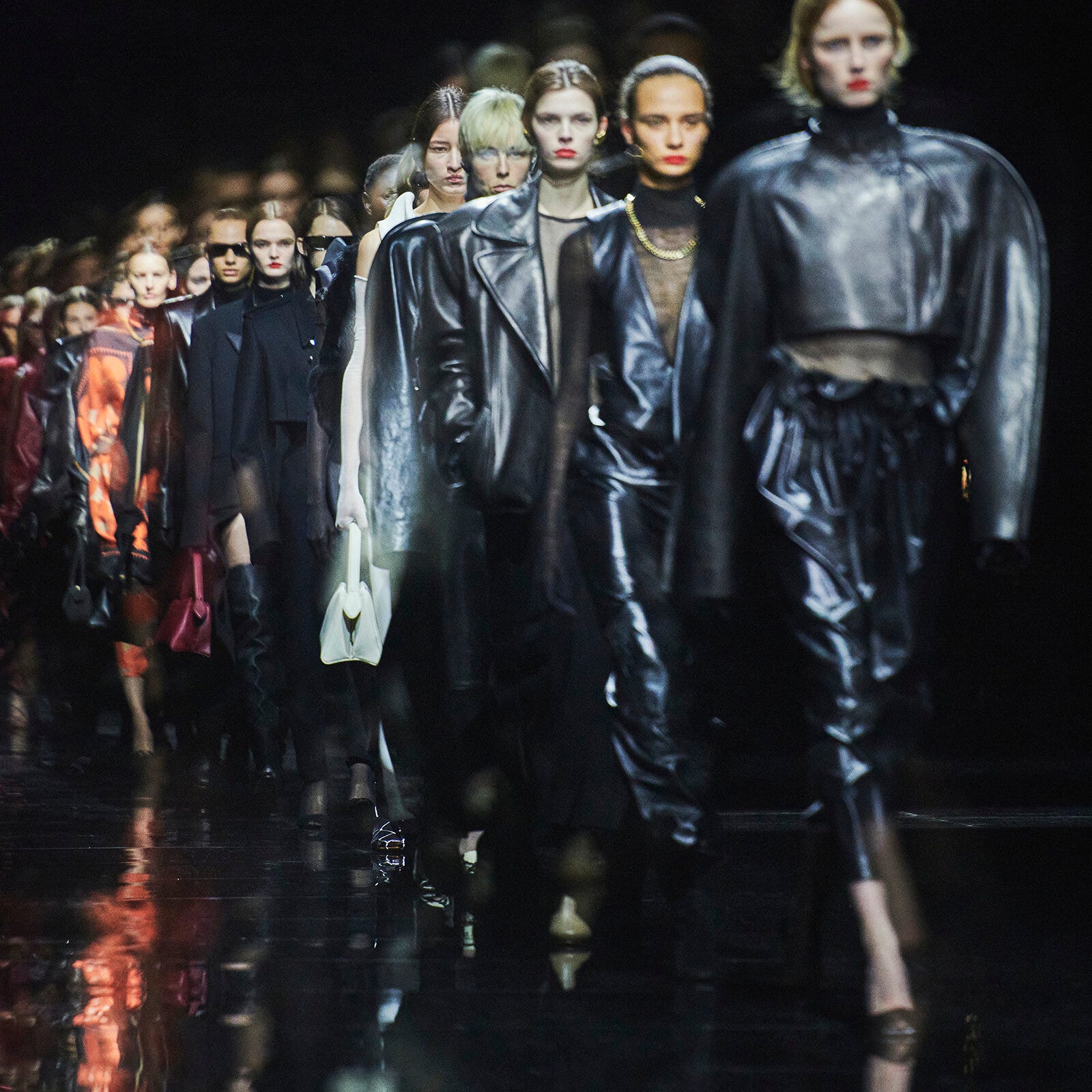
Remember what I wrote about Alaïa? “He famously refused to adhere to the traditional fashion calendar, presenting collections only when he felt they were ready rather than conforming to industry-dictated seasons. This defiance of industry norms extended to his rejection of advertising and his selective approach to press coverage. For Alaïa, the integrity of the design and the relationship between the garment and its wearer always took precedence over commercial considerations.”
Heated Rivalry took the same approach.
They moved the premiere date up three times—from February 2026 to January to Christmas to November 28, 2025—not because of marketing strategy but because they felt it was ready and they were excited to share it.
That enthusiasm? Contagious.
Community Over Scale (Or: How Word of Mouth Actually Works Now)
Heated Rivalry didn’t launch with a massive marketing campaign.
It launched with passionate readers of the original books who spread the word. Within days of the premiere, it was trending. Fans created content, wrote analysis, and made video essays. The organic buzz reached HBO Max executives, who acquired the show nine days before its premiere.
This is the new model for creative success, and fashion is already living it.
Look at how Telfar’s bag drops work: limited quantities, community-driven demand, resale culture that amplifies rather than diminishes the brand.
Or how Jacquemus built a fashion empire largely through highly shareable, visually striking moments—those giant bags on the French countryside, that tiny bag at Paris Fashion Week.
Or how small brands like Chopova Lowena and Sia Arnika gained traction through TikTok communities that genuinely connected with their aesthetic.
These aren’t marketing strategies engineered by agencies. They’re authentic expressions that resonate with specific communities, who then become advocates.
Bell Media’s VP of content, Justin Stockman, said about Heated Rivalry‘s success: “I think Canada has gotten a bit of a bad rap, as the place you come to make cheap stuff. We do have a lot of great tax credits, but we also have a lot of really great creatives that are globally known. We’ve been really pushing that story, and now it’s great that this show comes out, has a global reception, and is created by Canadians.”
Replace “Canada” with “independent fashion” and the statement holds perfectly.
The narrative has been that you need to be part of the major luxury conglomerates or backed by venture capital to break through. Heated Rivalry proves that craft + conviction + community can compete with—and often beat—bigger budgets and broader strategies.
The Economics Actually Work (No, Really)
Here’s the part that might surprise you: this approach isn’t just creatively satisfying.
It’s economically viable.
HBO’s Casey Bloys specifically mentioned being impressed by what the show accomplished relative to its acquisition cost: “This isn’t a huge tentpole budget that we’re looking at. I’m very impressed with what they did based on the acquisition cost.”
The show was made for less than $5 million per episode.
Many major fashion campaigns cost more than that to produce.
And yet it became Crave’s most-watched original series. It became HBO Max’s top-rated non-animated acquired series since the platform launched in 2020. It achieved a level of cultural penetration that most shows with 10x the budget never reach.
The lesson for fashion brands—especially independent ones—is clear: you don’t need massive budgets to create something that resonates. You need clarity of vision, commitment to craft, and the courage to serve a specific audience exceptionally well rather than serving everyone adequately.
Brands like Lemaire and Toteme have proven this model works in fashion. They don’t spend on celebrity endorsements or massive ad campaigns. They invest in design, quality, and creating garments that people genuinely want to wear and talk about.
The result? Sustainable growth built on genuine brand equity rather than manufactured hype.
Why It Resonated (The Cultural Layer)
I’ve written before about how fashion functions as cultural language—how events like Vogue World: Hollywood demonstrated that fashion isn’t just about clothing but about how we communicate cultural values and identity.
Heated Rivalry succeeded for the same reason the best fashion succeeds: it represents something real.
The show addresses the invisibility of LGBTQ+ athletes in professional sports. It treats its characters with depth and complexity. It assumes its audience is smart enough to handle nuance. It trusts that people want to see specific, authentic stories rather than sanitised, universal ones.
This is exactly what the most compelling fashion brands do.
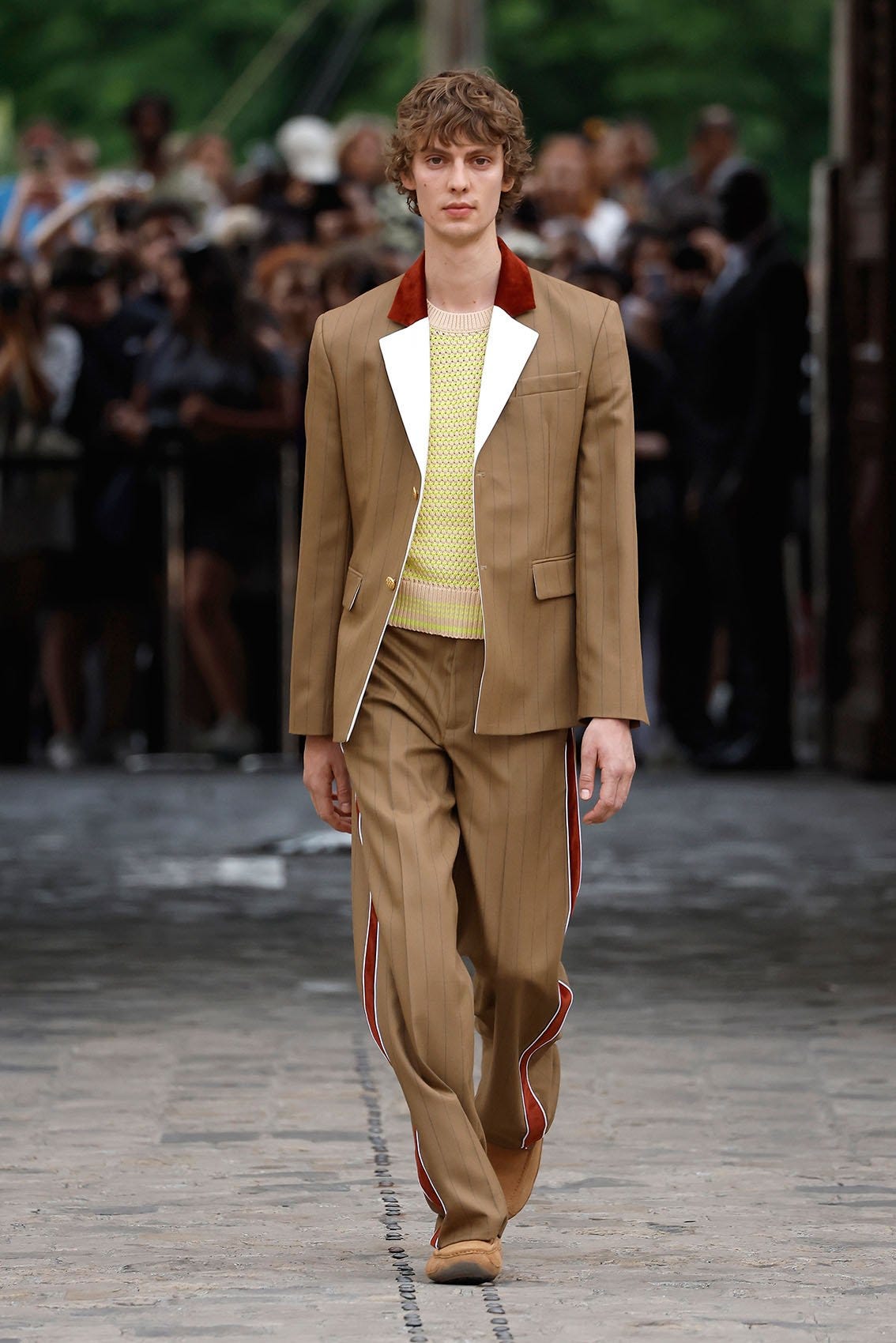
They don’t try to be everything to everyone. They stand for something specific. Whether it’s The Row’s radical minimalism, Marine Serre’s environmental activism, or Wales Bonner’s exploration of Black diaspora identity, these brands succeed because they have a clear point of view that resonates with people who share those values.
When Tierney was asked about his decision to keep the explicit content despite concerns about audience reception, he said: “The thing that is so fundamentally different in Heated Rivalry is sex. And so I was like, ‘okay, will anyone want this with that?’ And the thing that was very obvious to me is that they were inseparable.”
He knew what the show needed to be.
He refused to compromise.
And audiences responded not despite that specificity, but because of it.
So What Does This Mean for You?
The fashion industry is at a weird inflexion point right now.
Technology makes it easier than ever to start a brand, but harder than ever to break through the noise. AI tools can predict trends, but they can’t create an authentic vision. Social media offers unprecedented reach, but also unprecedented pressure to chase viral moments rather than building something lasting.
Heated Rivalry‘s success suggests a different path.
Instead of: trying to appeal to everyone
Try: going deep with a specific community
Instead of: following algorithm recommendations
Try: following your creative conviction
Instead of: compromising vision for bigger budgets
Try: maintaining control with appropriate resources
Instead of: massive marketing campaigns
Try: creating work so compelling people can’t help but talk about it
Tierney and Brady had a quote in the Variety interview that has stayed with me: “We’ve been doing this long enough to know that nothing guarantees you an audience anymore. There’s so much good TV out there, that to break through the noise feels like such a gift.”
The same is true in fashion.
There’s so much product, so much content, so much noise. Breaking through doesn’t come from playing it safe or optimising for algorithms.
It comes from making something so specific, so crafted, so authentically you that people can’t help but pay attention.
The Final Lesson
The fashion industry keeps trying to decode algorithms, predict trends, and manufacture virality.
Meanwhile, Heated Rivalry became one of the biggest television events of 2025.
Not because it played it safe.
Because it didn’t.
It succeeded because it was made with conviction, craft, and courage. Because it trusted its audience. Because it refused to be anything other than exactly what it wanted to be.
The same principles that made Alaïa a legend. The same principles that are building The Row into a billion-dollar brand. The same principles that allow independent designers to compete with conglomerates.
In a world drowning in content optimised for algorithms and engineered for maximum appeal, there’s never been a better time to make something specific, strange, and entirely your own.
As one Heated Rivalry fan wrote: “This is a unique masterpiece that combines an amazing script with genuine acting and filming techniques that provide a masterclass in production. On the human side, the story touches the hearts of any emotional being.”
That’s not algorithm-speak.
That’s what happens when craft meets conviction.
And that’s the kind of thing people will always find, share, and champion—whether it’s a Canadian hockey romance or a new fashion brand built on genuine vision.
The question isn’t whether audiences exist for specific, well-crafted work.
The question is whether you have the courage to make it.
What creative work have you seen lately that succeeded by refusing to compromise? What are you making that’s too specific, too niche, too “you”? I want to hear about it.